👋 Hi, everybody! Once again, shoutout to all of our geography guessers! Y’all are on top of this. We’ve got three more to go (including today’s prompt), so read on, friends. And for this week’s main story, we are exploring the idea of “collapse,” and the role it has played in the climate conversation.
We’ve also got some promising news about wind, building materials, and balcony solar.
This post originally appeared in Grist’s weekly solutions newsletter, Looking Forward. Not on our list yet? Subscribe here to get it in your inbox every Friday.
My world’s on fire — how bout yours?
The 2021 movie Don’t Look Up was heralded as a warning about climate change. In it, scientists (played by Jennifer Lawrence and Leo DiCaprio) discover that a planet-ruining comet is on a collision course with Earth. Despite their best attempts at sounding the alarm, ultimately the status quo prevails, the last-minute attempt at action is insufficient, and the comet does hit — proving J Law correct in her repeated warning, “We’re all going to die.”
The metaphor is clear. But it has one major problem. A comet hitting the Earth is sudden — a discreet, easy-to-understand event that you either avert or don’t, and if you don’t, the result is instant wipeout. The threat climate change poses to society is manifesting more gradually, less predictably — a slow burn of myriad unfolding effects.
As my colleague Kate Yoder put it: “What happens when you accept the possibility of societal collapse — and then have to live with that conviction, day after day, year after year?”
Jem Bendell is the person to pose that question to — which is exactly what Kate did. A longtime sustainability professor and author, Bendell did a deep dive into climate research in 2017 and came to what he felt was a clear conclusion: Civilization could not survive the climate crisis. The next year, he wrote up his bleak prognosis in a paper: “Deep Adaptation: A Map for Navigating Climate Tragedy” — which was downloaded at least a million times before Bendell stopped keeping track.
As he told Kate, the first thing that happened after he predicted the end of the world was that he felt unmoored and bereft of purpose. Everything he’d done up to that point felt meaningless.
The next thing he did: Run away. He moved to Bali to spend his “last years of modern convenience” among nature, exploring spirituality and music.
Bendell is certainly not alone in his sense of doom, or his desire to head for the exit. Kate noted in her story that optimism about the future has reached record lows. A full third of Americans believe that they will live to see the end of the world.
At this point, you may be thinking, “Wait a sec, isn’t this newsletter supposed to be about solutions and hope?” Yes, dear reader, it is. I am not here to cosign the idea that the world is coming to an end and it was nice knowing all of you. Plenty of experts (and non-experts) have criticized Bendell’s paper — and the broader focus on collapse within the climate conversation — as unhelpful or overblown. As you know by now, I’m typically in the camp of emphasizing hope over doom, and imagining a better future rather than the potential dire one.
But there’s also this: “Societal collapse isn’t really what people think it is,” said Kate, who has written about the rise and fall of civilizations in the past. Historical collapses — like the fall of the Roman Empire, or the ancient Maya — might seem cataclysmic in hindsight, but in reality they unfolded over decades or even centuries. Life might have felt somewhat normal to those living through them. And descendants of those ancient civilizations are still alive today.
“If you actually look back at history, it’s a lot muddier and more confusing than you would think,” Kate said.
Through that lens, facing the possibility of our society beginning to crack under pressure doesn’t have to feel nihilistic. It can also be an honest response to the realities of climate change and biodiversity loss — one that may be more productive to acknowledge than push away.
In some cases, acolytes of Bendell’s paper, who self organized into Deep Adaptation groups in several countries, have been prepared to respond to and mitigate smaller collapses as they occur. In one example Kate shared, Deep Adaptation members were able to quickly mobilize to provide help during the COVID-19 pandemic, because they were already bracing for major societal disruption. Other chapters focus on giving each other emotional support while also building practical survival skills.
Bendell himself eventually rejoined the fray and went back to studying “collapsology,” with a focus on how collapses unfold slowly throughout society.
He still believes collapse is already underway — his newest book, Breaking Together, argues it began in 2016 — but now, rather than creating only a sense of despair, that conviction gives him a lens for understanding the world.
“Jem’s framing, which kind of got ignored in the initial backlash to doomism, was ‘How do you help your friends and family and neighbors through this?’” Kate said.
On a personal level, he’s even pondering the question of whether to start a family, he told Kate. “You can’t stay in an emotion of panic or shock or grief or despair, where those are sort of dominating emotions,” Bendell said. Facing those emotions head-on can be a way of building resilience, Bendell described, for the inevitable moments when they return: “‘Oh, there’s panic, hello panic’ — rather than it consuming me.”
Dive deeper:
- What to expect when you’re expecting the end of the world
- Prepping for a disaster? You’ll probably want to pack a little treat.
Earth Month scavenger hunt
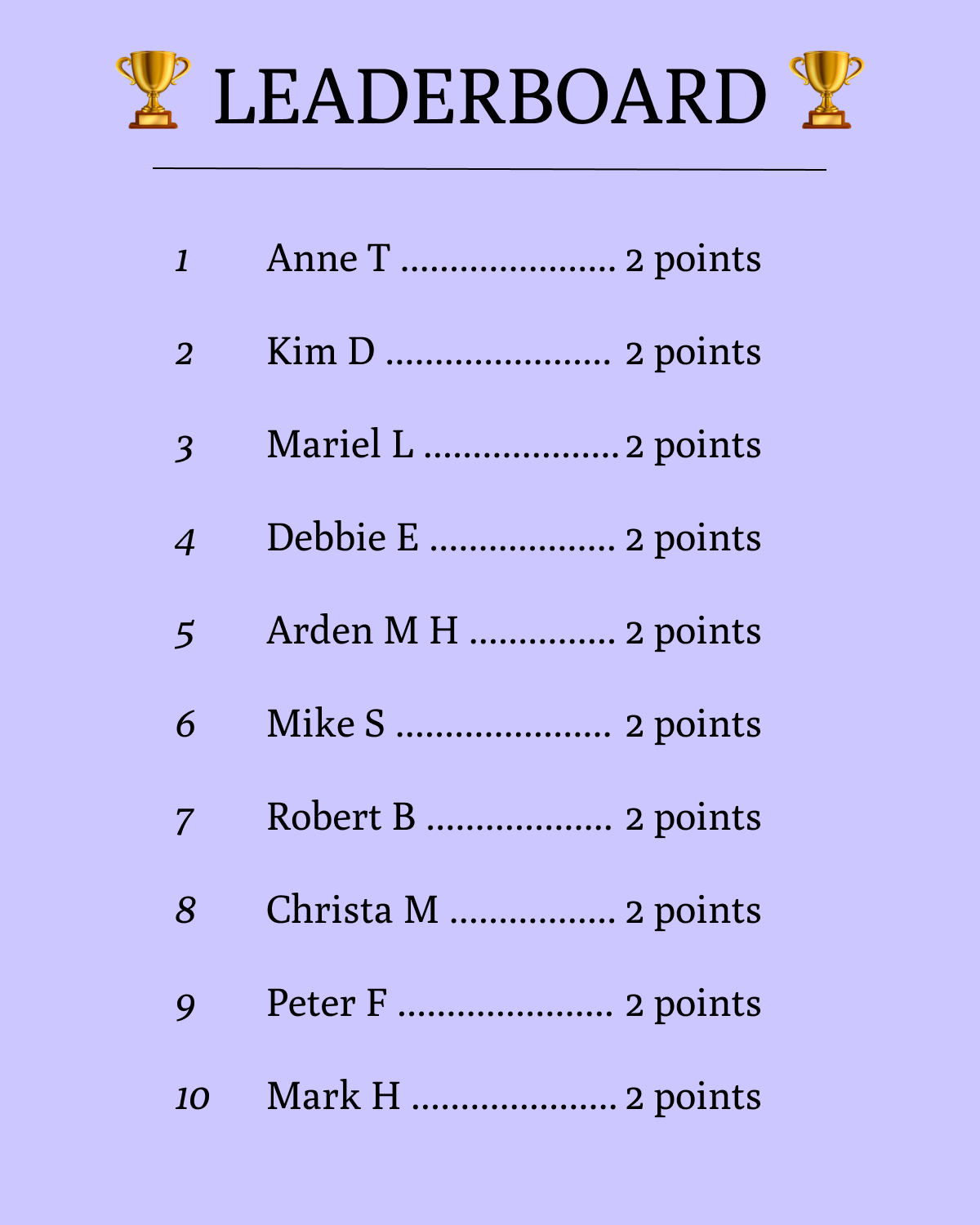
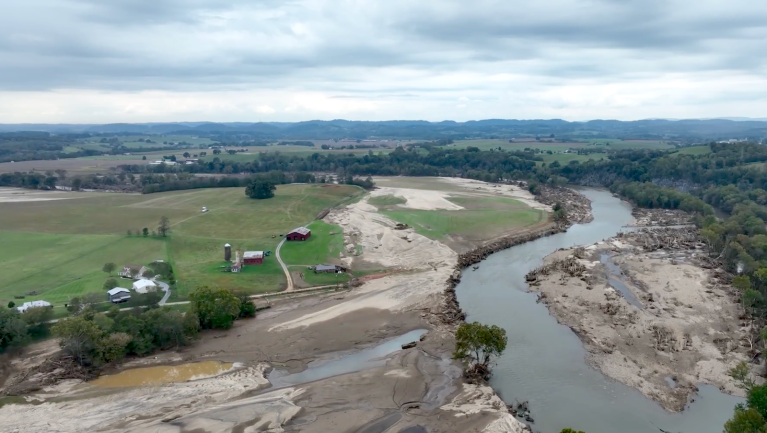
Here’s how things are shaping up with the leaderboard for our Earth Month scavenger hunt. Well done, everybody who played! Last week’s pic was from the Blue Ridge Mountains in North Carolina.
Are y’all ready for another? Take a moment with this photo:
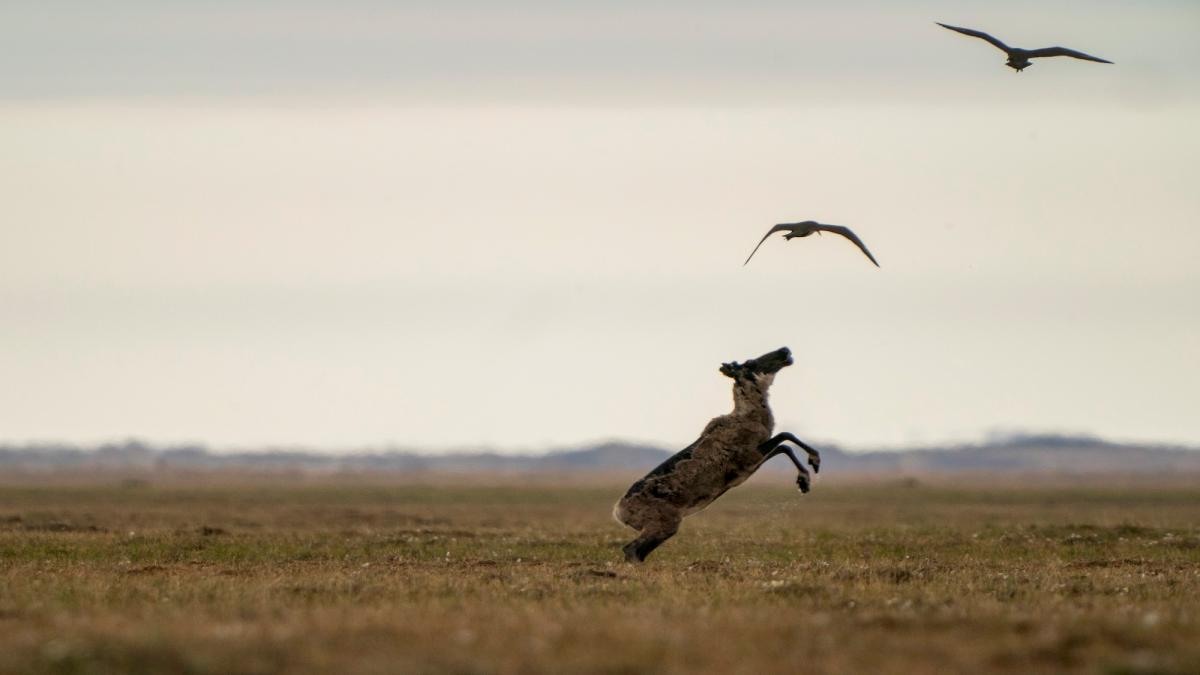
Do you think this photo is in:
- Alaska
- Siberia
- Greenland
- Newfoundland
- Finland
>>> Submit your answer here. (And follow the instructions to get your points for the week!)
More from Grist
🌬️ Second wind
Offshore wind appears to have finally cleared the obstacles the Trump administration hurled in its path. The Interior Department chose not to appeal court decisions that halted its stop-work orders. Several projects along the East Coast are already producing electricity — and the industry could get a further boost from a bipartisan permitting reform bill. Read more
🧠 Brain drain
When longtime NASA scientist Kate Marvel resigned last month, she publicly cited the Trump administration’s attacks on science. In an exit interview with Grist, she talked about her frustrations with the politicization of climate research, the other emotions that have guided her work, and some advice for early-career scientists in this moment. Read more
🪵 I’m yelling timber
A 10-story building recently opened in Vancouver, Canada, claiming the title of tallest building in North America designed to withstand seismic activity. And to make that more impressive — it’s made of wood. More specifically, laminated timber, a super-strong, natural building material that can replace more carbon-intensive steel. Read more
📚 And one more thing
Remember to RSVP for the next gathering of the Looking Forward book club! We’ll gather on Thursday, May 14 (on Zoom) to discuss The Great Transition by Nick Fuller Googins. RSVP by TODAY if you want a chance to win a free copy of the book, courtesy of Atria Books! I’ll contact the five winners on Monday.
In other news
- Clean energy proponents have won control of the Salt River Project, the nation’s largest public utility (The New York Times)
- As part of its peace proposal, Iran wants to charge a fee that will make it more expensive to ship oil out of the Persian Gulf (Heatmap News)
- California is considering a bill to ban PFAS pesticides on its crops (Inside Climate News)
- This Virginia tech company is replacing broken EV chargers, at no upfront cost (Electrek)
- This map shows the status of balcony solar laws across the US (Canary Media)
And finally, looking forward to …
… a future of normal, mundane lives that look different (dare I hope, better?) than ours today. This drabble was sent in by Looking Forward reader Jenna Riedl.
🌱🌱🌱
I walk you home, though it’s not dark yet, and the last fireflies have not strung their little lighthouses across the sky. I can smell your mama’s pumpkin cake, and tomorrow she and I will eat it while we weed the autumn garden and reminisce about the wheatpaste days of our youth. As we reach the door, I ask what you learned about today in school. “Just how we saved the world,” you drone in the pompous tones of a professor. You skip through the golden doorframe, and I smile at how boring the impossible becomes when it is history.
— a drabble by Jenna Riedl
🌱🌱🌱
A drabble is a 100-word piece of fiction — in this case, offering a tiny glimpse of what a clean, green, just future might look like. Want to try writing your own (and see it featured in a future newsletter)? We would love to hear from you! Please send us your visions for our climate future, in drabble form, at lookingforward@grist.org
👋 See you next week!