Climate Food and Agriculture

Climate + Food and Agriculture
EDITOR’S NOTE
Grist has acquired the archive and brand assets of The Counter, a decorated nonprofit food and agriculture publication that we long admired, but that sadly ceased publishing in May of 2022.
The Counter had hit on a rich vein to report on, and we’re excited to not only ensure the work of the staffers and contractors of that publication is available for posterity, but to build on it. So we’re relaunching The Counter as a food and agriculture vertical within Grist, continuing their smart and provocative reporting on food systems, specifically where it intersects with climate and environmental issues. We’ve also hired two amazing new reporters to make our plan a reality.
Being back on the food and agriculture beat in a big way is critical to Grist’s mission to lead the conversation, highlight climate solutions, and uncover environmental injustices. What we eat and how it’s produced is one of the easiest entry points into the wider climate conversation. And from this point of view, climate change literally transforms into a kitchen table issue.
Featured
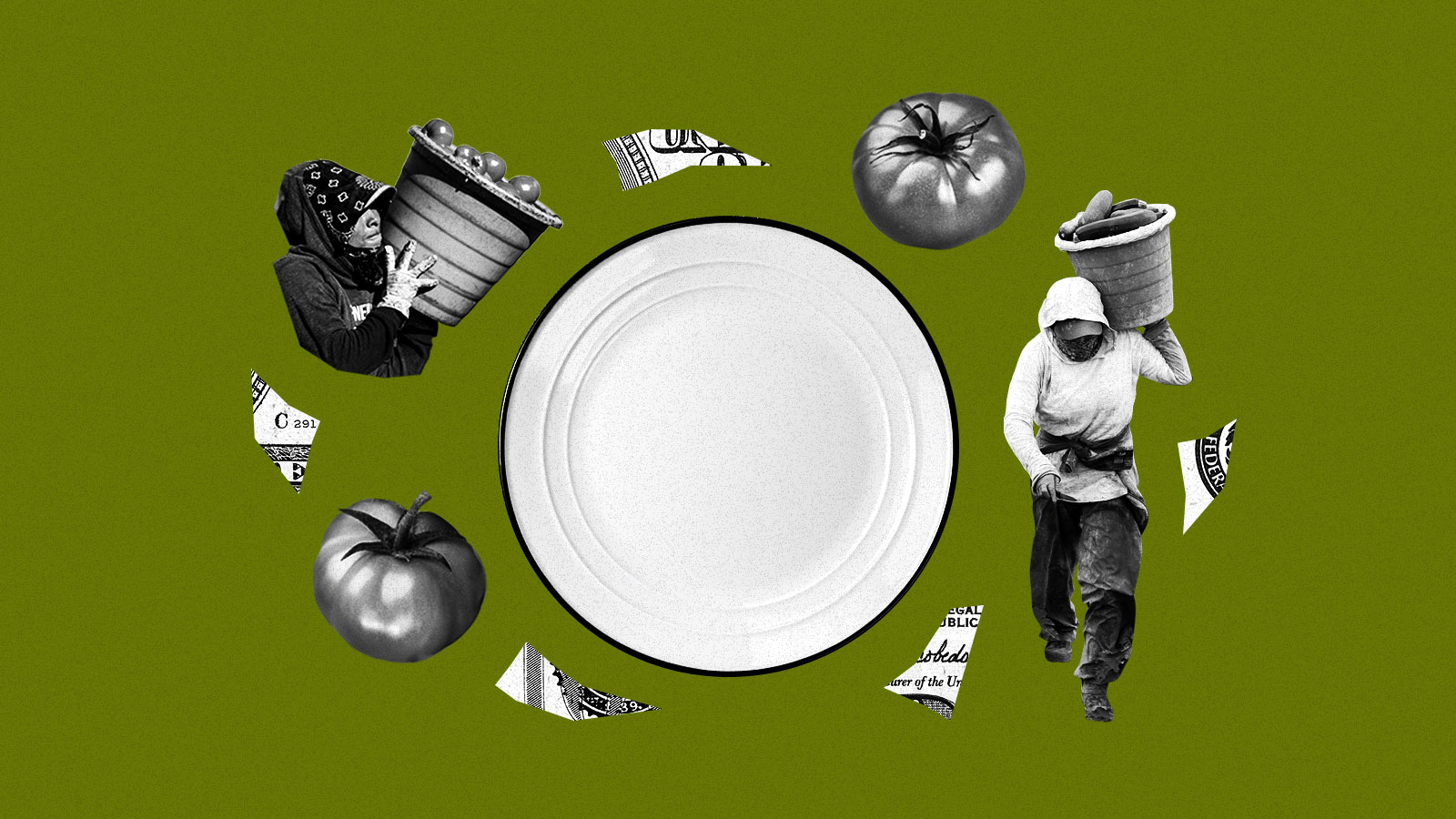
The people who feed America are going hungry
Climate change is escalating a national crisis, leaving farmworkers with empty plates and mounting costs.
Latest Articles
-
![]()
![]()
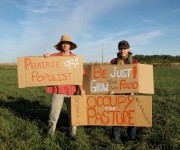
Occupy the pasture
Steph Larsen loves a good protest. But in her small town, there are no picket signs lining Main St., and it seems a little wrong to drive 120 miles round-trip to attend the nearest Occupy event.
-
![]()
![]()
Pesticides are good for you
What happens when an industry front group tries to tell a room full of food experts that pesticides aren't harmful?
-
![]()
![]()
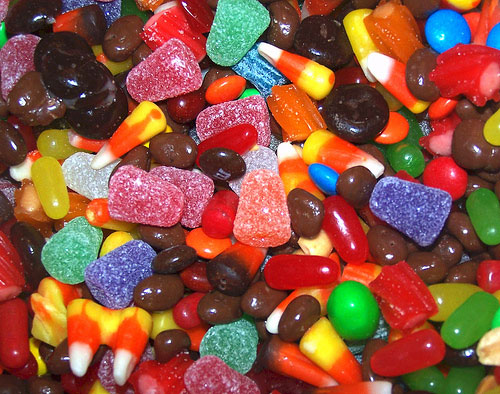
Sorry, kids: Halloween candy is a human rights nightmare
Here's a really scary story for your Halloween: The candy you're handing out might have been made by foreign students who were tricked into factory labor. Hershey's, which also distributes Cadbury candy in the U.S. and Nabisco candy in Canada, charged students up to $6,000 for a "summer work and travel" program, which actually consisted of drudgery at the packing plant.
-
![]()
![]()
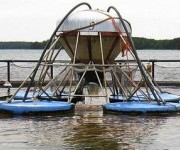
How to fix fish farms
Following the possible appearance of a dangerous fish disease on the west coast, the author of Four Fish says: "We have to think about how we might separate the farms from the wild."
-
![]()
![]()
The perfect gateway bug: Moth larvae tacos
Interested in a protein source with a miniscule carbon footprint and an amazing feed conversion rate? Monica Martinez and her Don Bugito taco stand are here to help.
-
![]()
![]()
Good menhaden are hard to find
The Atlantic population of these tiny but important fish is under dire threat -- and the repercussions for entire ecosystems are vast. Will the commission tasked with protecting them bump up conservation efforts in time?
-
![]()
![]()
Don't worry, Stephen Colbert, your school lunch potatoes are safe
The risk that potatoes might be restricted in school lunches sent Stephen Colbert into a twitching, shouting anxiety spiral. But all is well, Stephen -- your tater tots will remain unmolested! The Senate voted down a measure that would have limited starchy vegetables to one cup per student per week. ("Starchy vegetables" includes corn. Just saying.)
-
![]()
![]()
Haute cuisine gone green: James Beard Foundation focuses on sustainability
Do the James Beard Foundation's new sustainability awards signal a change for the better in the culinary world, a new form of food greenwashing, or something in between?
-
![]()
![]()
Fumigation nation: Battling pesticide use in California
In this dispatch from the nation's produce capital, we find school teachers, farmers, activists, and scientists working together to combat methyl iodide, and seeking out alternatives to all toxic fumigants.
-
![]()
![]()
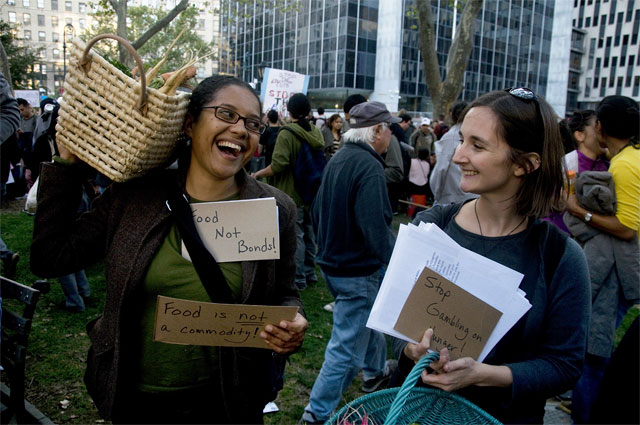
Why the food movement should occupy Wall Street
Two points in the Declaration of the Occupation of New York City address the food system. While barely scratching the surface, the protesters have provided an important opening for the food movement. Will we seize it?