Latest Articles
-
Old-timey sunset paintings shed light on pollution’s past
Did you know you can tell how polluted the air is based on the color of the sunset? And you can tell the color of long-ago sunsets from paintings.
-
![oil rigs]()
![oil rigs]()
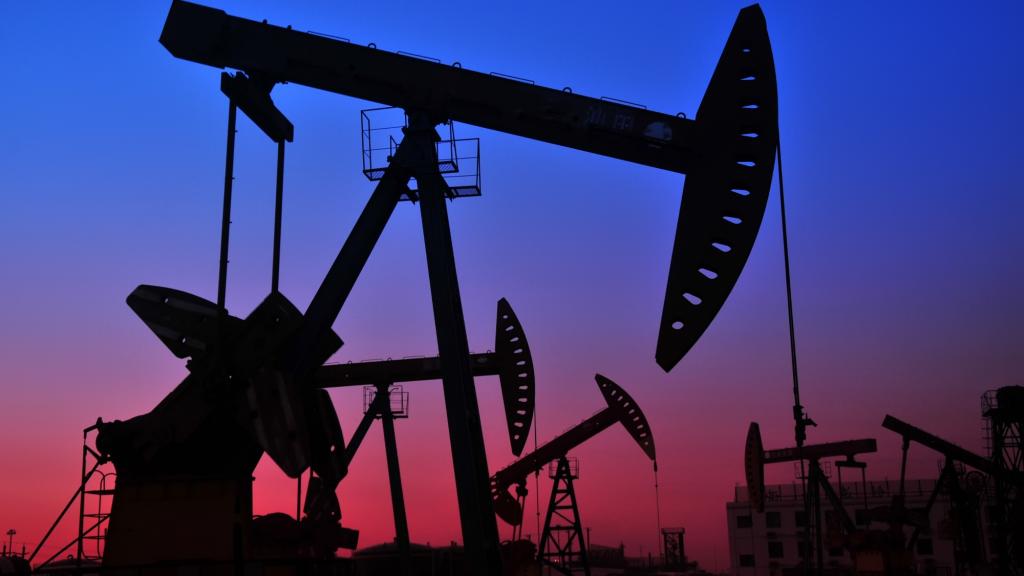
One California oil town keeps fracking in check — by banning all drilling
Flummoxed by an oil company's changing stories, Carson City plays tough -- and faces a longer battle.
-
Meet the new California, where Paris Hilton isn’t cool but walking, biking, and transit are
Survey shows that Californians choose low-emissions modes of transportation for twice as many trips as they did 10 years ago.
-
![Black bear chewing on discarded water bottle]()
![Black bear chewing on discarded water bottle]()
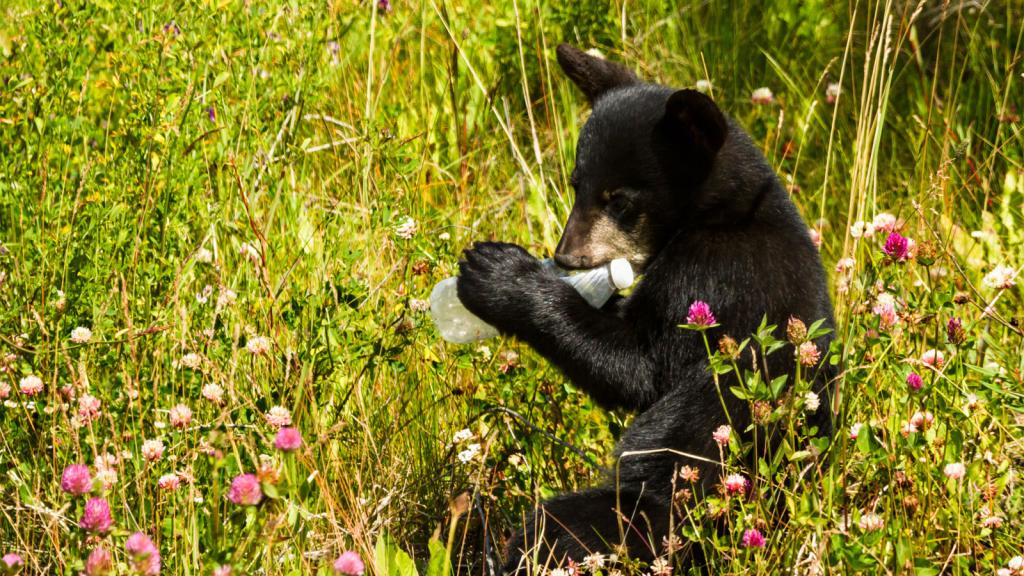
Can I get a Dasani, bro? Not in this national park, you can’t!
Contrary to popular commercial imagery, bears don’t drink out of bottles. But if they did, they'd find it a lot harder to get their paws on some Dasani.
-
Here’s how rooftop gardens can empower women and tame population growth
It's a few easy steps from rooftop gardens to empowered women to reduced population growth to a cleaner environment. A new short film maps that path.
-
Can we eat our way out of the invasive carp problem?
Invasive Asian fish are breeding like rabbits in American waterways, and pushing everything else out. Let's push back with our plates.
-
This pickle chandelier is a delightfully mystifying take on alternative lightbulbs
We’ll say this for the gherkin chandelier: It sounds way tastier than LEDs.
-
Air pollution kills 7 million people every year
One in eight deaths in 2012 was caused by air pollution. Thanks, fossil fuels.
-
North Carolinians Want Coal Ash Safeguards Now
The controversy continues almost two months after a Duke Energy spill of toxic coal ash into the Dan River. First, the Waterkeeper Alliance discovered Duke Energy dumping some 61 million gallons of coal ash wastewater into yet another waterway – the Cape Fear River. Duke Energy has been cited eight times since the Feb. 2 […]
-
![mustard seed]()
![mustard seed]()
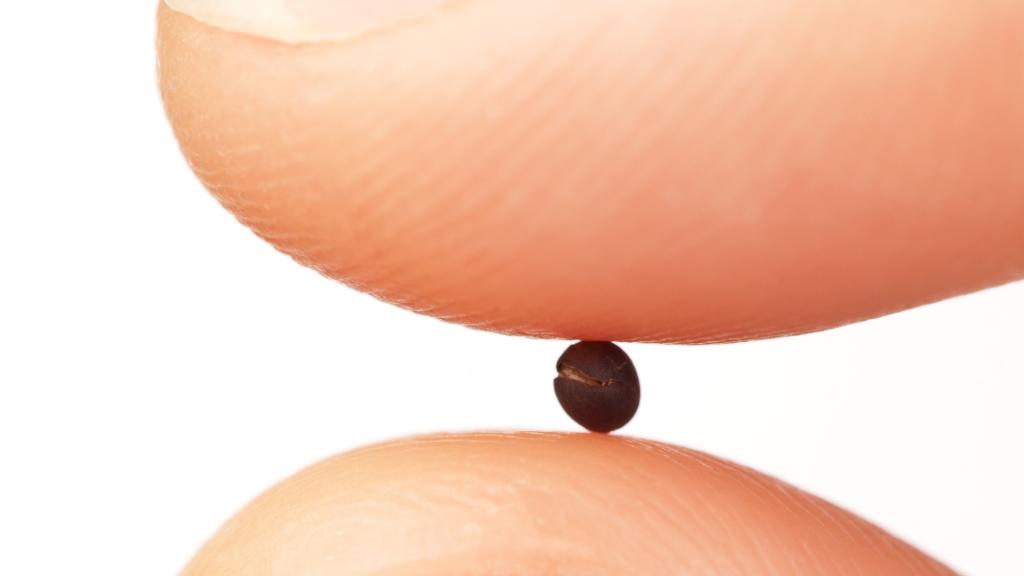
Wait, why are we dunking so many of our seeds in neonic poison?
It's hard for farmers to buy seeds that aren't coated with pesticides. A new report explains how little we know about the benefits of this practice.