Climate Food and Agriculture
All Stories
-
![]()
![]()
Why the 2012 Farm Bill is a climate bill
The Environmental Working Group says climate change activists should be concerned about proposed cuts to farm bill conservation programs, which would be the carbon-emissions equivalent of adding 2 million cars a year to America's roads.
-
U.S. becomes first country on Earth to limit catch size for all fish
In a rare bipartisan move -- the policy was initiated under George W. Bush and finalized under Obama -- the federal government has enacted catch size limits in order to prevent overfishing of coastal seas, reports the Washington Post.
-
Sports enthusiasts urge you to ditch sports drinks

Professional snowboarders Bryan Fox and Austin Smith have started a "Drink Water" campaign, urging people to stop drinking the $20-a-gallon sugar-juice that props up their industry.
-
![]()
![]()
Live and let dioxin: Big Ag is worried about scaring us off meat and milk
This month, the EPA is expected to finally release limits for safe exposure to dioxins in food. Industry groups -- like the United Egg Producers, National Meat Association, and National Milk Producers Federation -- are stepping up to say: shhh!
-
![]()
![]()
One man’s trash: Dumpster diving for breakfast [VIDEO]
Join the Perennial Plate crew as they climb into a dumpster with an experienced freegan and bring home the makings of a feast!
-
![]()
![]()
Tsunami disaster site rehabilitated as robot farm
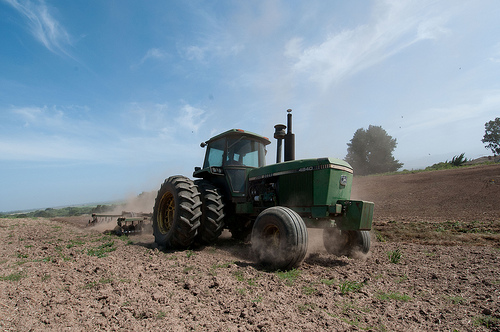
The Japanese government is reclaiming land flooded by the March 2011 tsunami and turning it into what Wired calls a "robot-run super farm." The Ministry of Agriculture has claimed a 600-acre site, part of thousands of acres of farmland destroyed by the tsunami and its aftereffects, for its "Dream Project" — a farm tilled by […]
-
![]()
![]()
Bourbon of proof: Is Kentucky’s heritage spirit compromised by GMO corn?
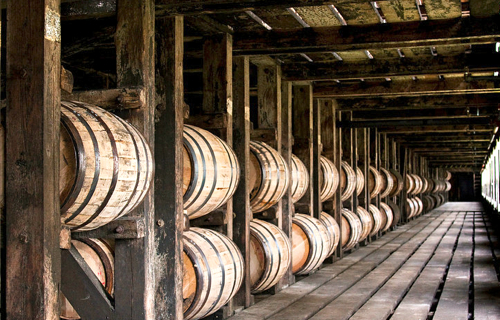
As an American, corn-based spirit, bourbon has changed rapidly in recent decades. Now, the question is: How long do we have until it's all made with genetically engineered grain?
-
![]()
![]()
FDA regulates 0.3 percent of antibiotics in livestock
So if you were the FDA, and you wanted to regulate the feeding of antibiotics to livestock -- which you don't, but bear with me -- there would be a couple of ways you could go. You could regulate the ones that are the most widespread and cause the most problems. Or you could regulate the ones that a tiny and decreasing number of people use in the first place. The second one is less effective, but it's easier! So that's what the FDA is doing.
The agency has announced that it will ban the agricultural use of cephalosporins, a class of antibiotic used in humans to treat pneumonia and certain infections. That's a good step towards keeping factory farms from becoming breeding grounds for antibiotic-resistant microbes -- or anyway, it would be, if it weren't for the fact that effectively zero percent of farms use cephalosporins in the first place.
-
![]()
![]()
The birds and the weeds: A farm conservation love story
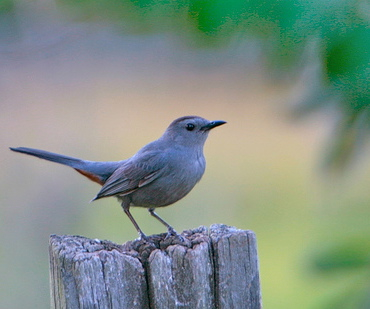
A recent study shows that weeds on farms are crucial to keeping birds and other wildlife alive.
-
![]()
![]()
What the Times’ organic tomato story missed: Golf courses
Farming organic winter tomatoes in Mexico definitely has its problems, but Del Cabo's Larry Jacobs says water isn't one of them.